
Planning to hike around Beavers Bend or spend a weekend camping at Robbers Cave? Good news: smoking is prohibited on all Oklahoma State Park property. This includes cigarettes, cigars, pipes and even vapes.
The restriction applies to trails, campgrounds, picnic areas, lodges and every other square foot of state-owned park land. There are no designated smoking areas, and the policy is enforced statewide.
What Are the Smoking Rules in Oklahoma State Parks?
Smoke-free policies protect public health, reduce wildfire risks and preserve the natural spaces that make these parks worth visiting in the first place.
Oklahoma law prohibits smoking on all state-owned property, both indoors and outdoors. This means state parks operate under a blanket ban that covers:
- All park buildings (visitor centers, restrooms, lodges, cabins)
- Outdoor areas (trails, beaches, campgrounds, picnic shelters)
- Parking lots and roadways within park boundaries
- Event spaces and group facilities
Why State Parks Don’t Have Designated Smoking Areas
A designated smoking area is a specific location where property owners or local governments permit smoking while keeping it away from entrances or high-traffic areas. You might encounter these at airports or outdoor event spaces.
State parks do not follow this approach, and do not offer smoking areas. Smoking is prohibited while on park property. The decision stems from several practical and health-related factors:
Fire Risk Management
Oklahoma experiences hot, dry conditions much of the year. Grasslands, forests and brush in state parks are vulnerable to wildfires, and a single discarded cigarette can ignite acres of land. Unlike controlled environments like bar patios or stadium courtyards, state parks cover vast, often remote areas where fire can spread quickly before emergency response arrives.
Air Quality
Oklahoma state parks exist to serve families and tourists with varying health needs. This means protecting air quality for all visitors. Even outdoors, secondhand smoke affects people nearby. Families with young children, visitors with asthma or heart conditions and anyone seeking fresh air in nature can expect clean, quality air.
Environmental Preservation
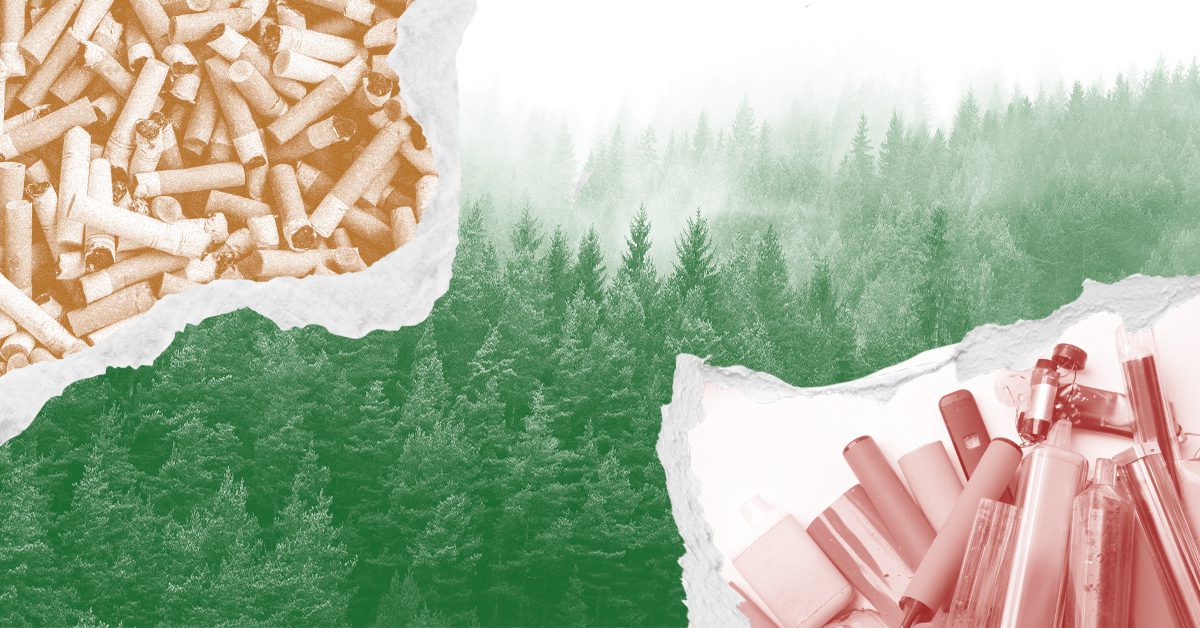
Cigarette butts are the most littered item worldwide, and they don’t biodegrade quickly.¹ Filters contain plastic fibers and toxic chemicals that contaminate soil and water. A smoke-free policy helps state parks prevent littering.
Can You Smoke in a Public Park in Oklahoma?
For city and county parks, the rules vary by location. While state law addresses smoking on state property, individual municipalities can establish their own tobacco policies for parks they manage. Some Oklahoma cities have smoke-free policies in all public parks, while others allow it in certain areas or have no specific restrictions.
Oklahoma’s preemption laws limit how far local governments can go in regulating tobacco use, but cities still retain authority over their own park systems. If you’re planning to visit a municipal park, check the local ordinance or contact the parks department to confirm current rules.
Can You Vape in Oklahoma State Parks?
Unlike traditional cigarettes, many vapes do not release Class A carcinogens into the air.² However, that distinction doesn’t matter in Oklahoma state parks. Vaping is prohibited on all state park property, just like smoking conventional tobacco products.
From a practical standpoint, allowing vaping while prohibiting smoking creates confusion for both visitors and park staff. A unified policy is simpler to communicate and easier to enforce.
Prohibiting vaping also addresses concerns such as youth exposure and secondhand vaping. Vapes are becoming more and more popular among young people. Allowing vaping in family-friendly spaces normalizes nicotine use and exposes children to behavior that public health officials are actively working to prevent.
Why Secondhand Smoke Matters in Outdoor Spaces
A common misconception about secondhand smoke is that it’s only harmful indoors. While enclosed spaces certainly concentrate exposure, outdoor secondhand smoke still affects people nearby.
Secondhand smoke contains more than 7,000 chemicals, including at least 70 that cause cancer. There is no safe level of exposure to secondhand smoke. When someone smokes outdoors, wind patterns and proximity determine how much smoke reaches other people, but risk doesn’t disappear just because you’re outside.
State parks attract multigenerational groups, and children are especially vulnerable to the effects of secondhand smoke. When kids are exposed to secondhand smoke, it can cause or worsen asthma attacks, bronchitis, ear infections, lung damage and respiratory infections.³
How Are Smoke-Free Policies Enforced?
Park rangers and staff enforce smoking regulations. Violations can result in citations and fines. More importantly, breaking the rules puts other visitors at risk and damages the environment you came to enjoy.
If you are thinking about quitting tobacco, the Oklahoma Tobacco Helpline offers FREE support, Coaching and resources, such as patches, gum or lozenges. Quitting improves your health and makes it easier to fully enjoy activities like hiking, camping and exploring Oklahoma’s outdoor spaces.
Protecting Oklahoma’s Natural Spaces
Can you smoke in state parks in Oklahoma? No. The statewide prohibition on smoking and vaping in state parks is in place and enforced to protect public health, prevent wildfires and preserve Oklahoma’s beautiful, natural environments for current and future visitors. These rules apply universally across all Oklahoma state parks. There are no designated smoking areas, and the policy covers both traditional tobacco products and vapes.
When you visit an Oklahoma state park, you’re entering a space designed for everyone. Families picnicking by the lake, hikers exploring trails and campers gathering around evening fires all deserve to breathe clean air and experience nature without exposure to tobacco smoke or its environmental consequences. These policies are working to keep that vision a reality.