
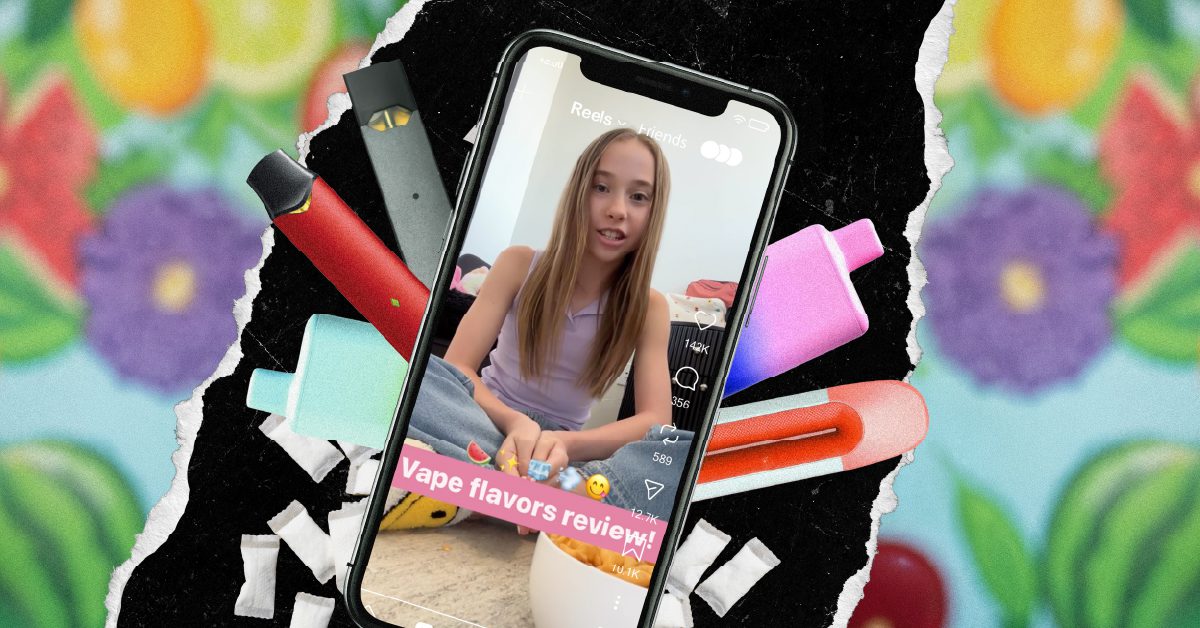
The tobacco industry has spent a century building a marketing playbook aimed at women. Their same tricks are now showing up behind today’s vapes and nicotine pouches, aimed specifically at teen girls, in ways parents may not even notice.
Here’s what parents need to know.
A Familiar Strategy in New Packaging
In the 1920s, cigarette brands linked smoking to independence and slimness, with slogans like “reach for a Lucky instead of a sweet.” Decades later, Virginia Slims tied cigarettes to women’s liberation. The message focused on independence, aesthetics and confidence.
Today, that same strategy is being applied to vapes and nicotine pouches, and teen girls are on the receiving end. The packaging and products are coated in pastel colors and feature language about wellness and self-care. The goal is to get girls to see nicotine as part of their identity, rather than an expensive addiction.
The Tactics Showing Up Right Now
Vapes are still prevalent among teens in Oklahoma — about one in ten high schoolers vape. Teen girls are also targeted by other new discreet formats, like nicotine pouch minis. Small, flavored, easy to conceal and mimicking the Virginia Slims language of the past, these products fit in a pocket or purse and leave no smell or vapor cloud behind. That makes them easier to use without a parent, teacher or coach noticing.
A few of Big Tobacco’s other tricky tactics:
- “Safer” alternative. Many products are positioned as a cleaner, more modern choice than cigarettes, appealing to health-conscious buyers, including teen girls who would never pick up a traditional cigarette. However, they are far from healthy.
- Weight control. One of the tobacco industry’s most evil tactics is capitalizing on girls’ insecurities. Nicotine suppresses appetite, and the industry has known this for decades. As “thinness” shows up among celebrities and social influencers, this is a cruel message that lands hardest with teen girls already navigating body image pressure.
- Focus and productivity. Some products are framed as a tool for concentration or stress relief, appealing to busy and working students looking for an edge. The reality is, these products can alter teen mental health and affect them negatively well into adulthood.
- Influencer marketing. Brands advertise their products with social media influencers who feel more like a friend than an advertiser. Research from Truth Initiative found that young people with high exposure to tobacco promotion on platforms like TikTok and YouTube had nearly triple the odds of using the products. A recommendation from someone a teen already follows and trusts carries more weight than a traditional ad.
Why This Matters for Teen Girls Specifically
Nicotine affects the developing brain the same way regardless of gender, but girls face some additional risks worth knowing about during the teen years.
- Appearance. Nicotine narrows blood vessels, which can affect skin healing. For teens already sensitive about appearance, that’s the opposite of what the marketing promises. This only perpetuates a very damaging cycle of reliance on nicotine.
- Anxiety. Nicotine can interact with the hormonal changes already happening during adolescence, and withdrawal between uses is linked to heightened anxiety and irritability. It can be hard to distinguish nicotine mood swings from normal teen mood swings — that’s why it’s so important to know.
- Body image. Because nicotine suppresses appetite, regular use during the teen years can reinforce unhealthy eating patterns at an age when body image is already fragile.
- Heart and lungs. Teen nicotine use is linked to elevated heart rate and blood pressure, and the earlier the exposure, the higher the long-term risk. For teen athletes, this can be especially harmful.
What Parents Can Do
None of this is meant to shame any teen already using these products. However, as a parent you have to pay attention. The earlier you intervene, the more time their brain has to heal and the greater chance you have of them never starting. Start by widening the picture. If a conversation about vaping only mentions boys, it misses half the story. Daughters are targeted as well and targeted just as hard.
If you are a parent, your best course of action is conversation. Find tips to help you get started at TalkAboutTobacco.com.