
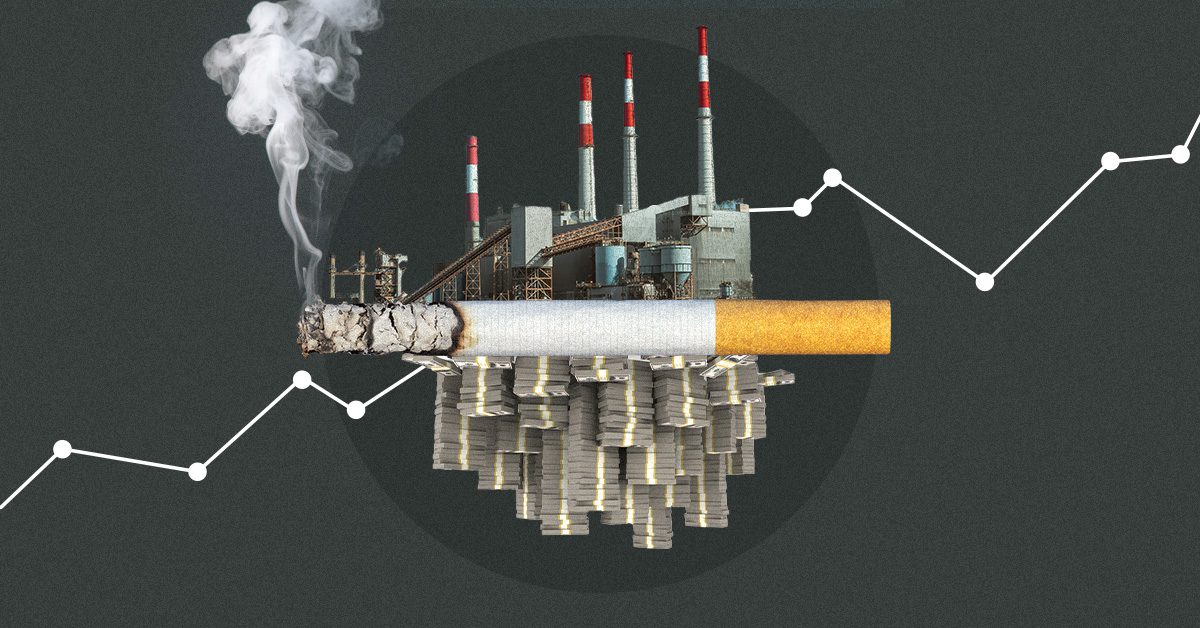
Nicotine pouches, vapes and cigarettes don’t just affect the person using them. They drain paychecks, strain relationships and put kids’ health and futures at risk. When we zoom in on actual living rooms and kitchen tables instead of factory floors, a very different picture appears.
Let’s talk about what nicotine addiction really does to a household.
The Paycheck Math: How Much Is Going Up in Smoke?
Addiction isn’t cheap. Even before medical bills, a “normal” daily habit can quietly eat thousands of dollars a year.
One analysis estimates that a pack-a-day cigarette habit can cost around $3,285 a year in Oklahoma.1 Over a decade, that adds up to tens of thousands of dollars — money that could have gone toward rent, groceries, car payments or college savings.
Newer nicotine products aren’t cheap, either. Pouches and vapes have a lower sticker price — with pouches averaging $5.50 per can, and vapes use costing an average $5.7 per day2 — but are used more often and in more places. The costs add up fast, especially in homes already working hard to stretch every dollar.
For many families, nicotine isn’t just a health issue. It’s a budget issue.
Less for Food, Rent and Kids’ Needs
Research shows that when people keep smoking despite rising prices, something else in the budget usually gets cut. A 2025 study3 found that smoking places extra financial strain on disadvantaged households and often means less money for essentials like food, health care, insurance and education.
Smoking costs Oklahoma more than $6.8 billion each year4 in health care and lost productivity. But those big numbers start in small places — in living rooms, kitchens and bank accounts where families are already doing their best to get by.
The Health Toll Inside the Home
When tobacco is burned or exhaled, it fills shared spaces — especially homes and cars.
Secondhand smoke is a serious threat to kids’ health. Studies show5 that youth exposed to secondhand smoke are at higher risk for asthma attacks, respiratory infections and other lung problems. The damage builds over time and there is no safe level of exposure.
The impact isn’t just physical. Children who live with adults who smoke are also more likely to have emotional and behavioral problems, and those risks rise as the number of smokers in the home increases. Learn more here.6
When nicotine is used inside a home or car, kids pay a price they never agreed to.
The Emotional Load: Guilt, Worry and Conflict
Nicotine addiction is often wrapped in shame and guilt — especially when kids are involved.
Parents may feel guilty about smoking or vaping around their children. Partners may argue about spending, health risks or smoke in the home. Teens may feel scared about a parent’s cough or frustrated when money is tight, but nicotine always seems to get paid for.
Studies have also linked7 secondhand smoke exposure to higher levels of stress, anxiety and depression, especially in people who feel trapped around regular smoke. That emotional strain doesn’t show up in company ads about “economic growth,” but it shows up in families every day.
Who Really Benefits When Nicotine Use Grows?
When a tobacco company points to jobs or economic impact, they’re only telling one side of the story — their side.
Yes, factories employ people. But for every job a tobacco company creates, many more people are:
- Paying out-of-pocket for products that harm their health
- Spending thousands on nicotine instead of savings or essentials
- Living with diseases that cut work years and family time short
- Caring for loved ones who are sick far too early
When a nicotine brand brags about “boosting the economy,” it’s leaving out the hospital bills, the empty chairs at kitchen tables and the paychecks that quietly disappear into addiction.
The Bottom Line
Philip Morris can put Zyn in glossy ads and talk about how factories support the economy, but inside the homes where nicotine is used, the story is very different. Even nonsmoking families pay the price. Because smoking-related illness drives up state health care costs, lost productivity and Medicaid spending, every Oklahoma household carries an estimated $1,075 per year in tax burden to cover smoking-caused government expenses.
While tobacco companies profit, Oklahoma families foot the bill.
Protecting Oklahomans means seeing through the spin, telling the whole story and making sure our policies, programs and conversations put families first, not tobacco profits.
Sources
- World Population Review – Average Costs of Cigarettes
- Tobacco Stops With Me – The Many Faces of the Tobacco Industry
- News Medical – Smoking Places Financial Strain on Disadvantaged Households
- American Cancer Society – Impact of Tobacco in Oklahoma
- Tobacco-Free Kids – The Toll of Tobacco In Oklahoma
- National Library of Medicine – Adult Household Smoking Is Associated With Increased Child Emotional and Behavioral Problems
- National Library of Medicine – The Association Between Secondhand Smoke and Stress, Depression, and Suicidal Ideation in Adolescents