
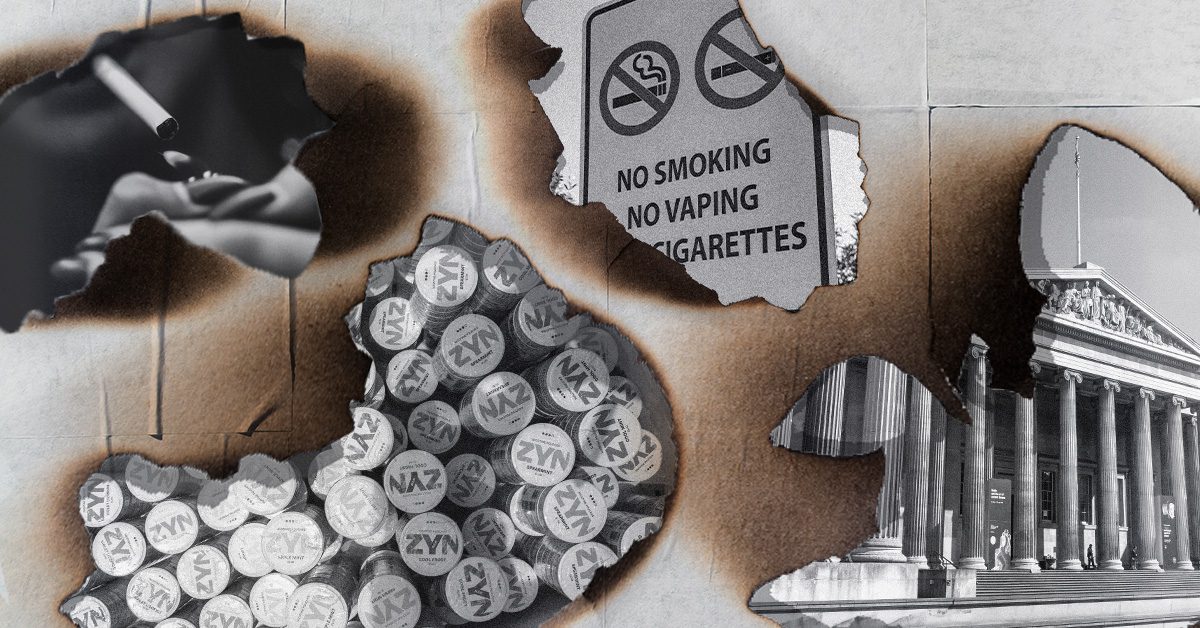
Zyn’s “Safer” Claims Head to Federal Review in January 2026
On January 22, the FDA is set to decide whether Zyn nicotine pouches can be marketed as a “lower-risk” alternative to cigarettes after Philip Morris asked for permission to make reduced-harm health claims. Right now, Zyn is allowed to be sold — but not advertised as safer.
While the FDA authorized these products for sale in January 2025 through its standard premarket review process, that approval did not mean the products were proven safer. The concern is significant: nicotine pouches are rising rapidly in popularity among teens, and “safer” messaging could further normalize use and fuel addiction in new users. Public comments on the review remain open until January 21.
A Major Cultural Shift: British Museum Ends Tobacco Sponsorship
In a rare and meaningful move on the global stage, the British Museum officially ended its long-standing sponsorship with Japan Tobacco International (JTI) in November 2025.
The partnership, which lasted 15 years, had been under fire from health experts and advocacy groups who argued that cultural institutions should not be used to sanitize the image of a deadly industry. The decision followed government concerns that the sponsorship may violate international tobacco control agreements that prohibit the promotion of smoking products. Though JTI still sponsors other major UK institutions, the British Museum’s decision sends a powerful signal: public trust and public health must come before tobacco dollars.
Are Cigarettes Becoming “Cool” Again?
One of the most troubling shifts is the resurgence of cigarette imagery in pop culture — particularly across social media, music and celebrity spaces popular with Gen Z.
High-profile stars have been frequently photographed smoking at festivals, in fashion editorials and even at luxury weddings. Several viral social media accounts now center on this aesthetic, reframing cigarettes as stylish and rebellious rather than dangerous.
Decades of research show that tobacco depictions in entertainment increase the likelihood that teens will experiment with smoking, especially when the imagery feels glamorous or normalized.
The glamorization is growing, but so is our ability to push back. Learn how to talk with the kids and teens in your life and help them see past Big Tobacco’s influence. Find free conversation guides at TalkAboutTobacco.com.
Dallas Implements a Major Public Vaping and Smoking Ban
In a major policy move with regional implications, Dallas, Texas implemented a sweeping ban on vaping and smoking in public indoor spaces starting December 10, 2025.
The ordinance expands protections to include e-cigarettes alongside traditional tobacco products, covering restaurants, bars, offices and many public venues. The move reflects growing recognition that secondhand aerosol from vapes causes harm — and that clean indoor air protections must evolve with changing nicotine products.
Public health advocates across the region are watching closely as Dallas sets a modern precedent for comprehensive indoor air policies. These types of protections play a critical role in reducing exposure, encouraging quitting and preventing youth initiation.
Sources
- CSP Daily News –FDA Advisory Committee To Review Zyn Nicotine Pouches’ Modified Risk Tobacco Product Claims
- The Guardian – British Museum Ends Sponsorship From Japanese Tobacco Firm JTI
- Bloomberg –
Is Gen Z Romanticizing Cigarettes Again? - The Dallas Morning News – Vaping in Public Places Will Soon Be Illegal in Dallas