
Planning to hike around Beavers Bend or spend a weekend camping at Robbers Cave? Good news: smoking is prohibited on all Oklahoma State Park property. This includes cigarettes, cigars, pipes and even vapes.
The restriction applies to trails, campgrounds, picnic areas, lodges and every other square foot of state-owned park land. There are no designated smoking areas, and the policy is enforced statewide.
What Is HUD Housing in Oklahoma?
HUD housing refers to federally funded programs that help low-socio-economic families, elderly individuals and people with disabilities afford safe housing. In Oklahoma, this assistance takes two primary forms:
- Apartment complexes and homes owned and managed by local public housing authorities. These properties are directly operated by agencies like the Oklahoma City Housing Authority or the Tulsa Housing Authority.
- Section 8 Housing Choice Vouchers that provide financial assistance so eligible families can afford privately owned apartments or homes. (Voucher holders pay a portion of their rent, and HUD covers the remainder directly to the landlord.)
Both programs fall under HUD’s oversight, but they operate differently when it comes to smoking regulations.
The HUD Smoke-Free Public Housing Regulation
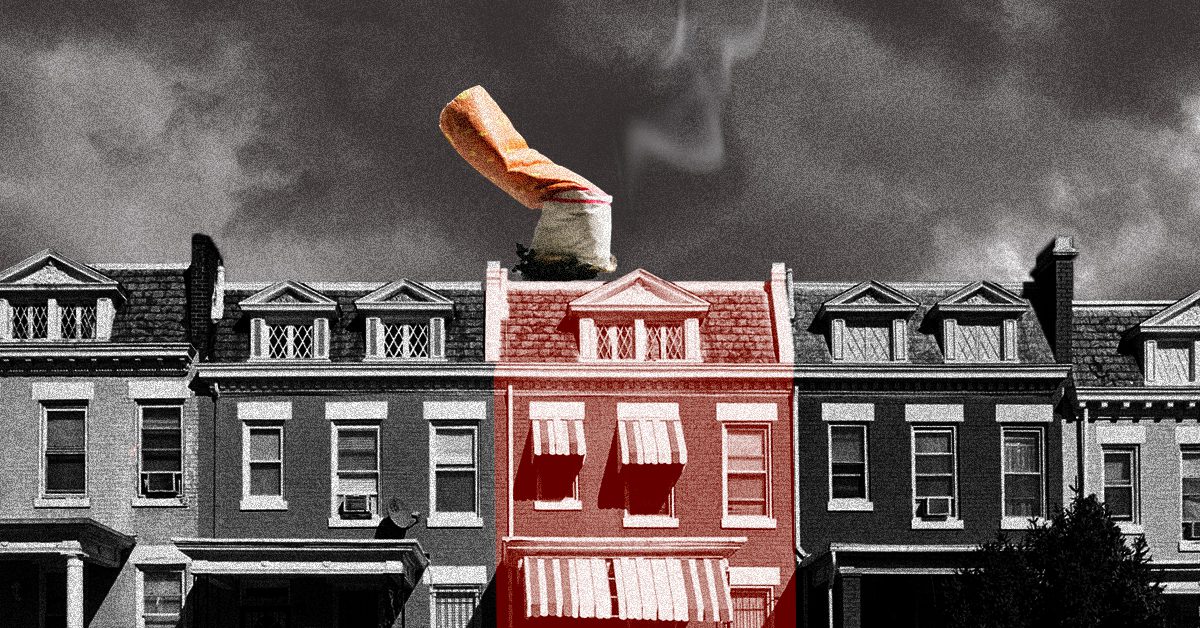
In July 2018, HUD’s smoke-free housing rule took effect nationwide.2 This policy prohibits the use of lit tobacco products in all public housing units and common areas. The ban applies to*:
- Cigarettes
- Cigars
- Pipes
- Hookahs
*NOTE: The federal rule does NOT directly mention vapes. However, individual housing authorities in Oklahoma have the discretion to include them in their smoke-free policies. Always check with your local housing authority for their specific rules.
The rule also requires a smoke-free zone extending at least 25 feet from any public housing building entrance, exit or window to prevent smoke from drifting indoors.
HUD’s smoke-free housing rule only applies to public housing properties directly managed by housing authorities. Private landlords who accept Section 8 vouchers can set their own smoking policies. This means Section 8 smoking policies could differ from HUD’s smoke-free public housing requirements depending on the landlords’ preferences.
Where Smoking Is and Isn’t Allowed
| Location | Is Smoking Allowed? | Notes |
|---|---|---|
| Inside public housing | No | Strictly enforced; Applies to all residents and guests |
| Indoor common areas | No | Applies to hallways, offices, laundry rooms, lobbies; Staff must comply |
| Within 25 feet of buildings | No | Measured from entryways, windows and AC intake systems |
| Private balconies and patios | No | Considered within 25-foot regulation |
| Designated smoking areas | Yes | Federal housing is not required to provide designated smoking areas |
| Section 8 rentals | Varies | Up to the discretion of the landlord or property owner |
What Happens if You Violate the Smoke-Free Policy?
The policy is enforced through lease agreements. When a person signs a lease with a public housing authority in Oklahoma or receives government housing assistance, they agree to follow all property rules, including the smoke-free policy.
Violations in Oklahoma typically follow this process 3:
- First violation: A written warning along with resources from the Oklahoma Tobacco Helpline.
- Second violation: Notice to vacate with option to remedy.
- Third violation: Notice to vacate without the option to remedy.
Eviction is typically a last resort. Most housing authorities work with residents to achieve compliance before pursuing lease termination. However, repeated documented violations can lead to eviction, particularly if the resident shows no effort to correct the behavior.
The Risks of Secondhand Smoke
Secondhand smoke exposure is dangerous to all residents and HUD housing employees. For adults, exposure puts them at a higher risk for heart disease, lung cancer, reduced fertility and stroke. For kids, secondhand smoke is especially dangerous. It can cause or worsen asthma attacks, bronchitis, ear infections, lung damage and respiratory infections.4
Support for Making a Home Smoke Free
Oklahoma offers several resources to help residents and property owners comply with HUD’s smoke-free housing rule through the Oklahoma Tobacco Helpline and Tobacco Stops With Me.
For HUD Housing Residents
The Oklahoma Tobacco Helpline provides FREE Coach support, personalized quit plans and patches, gum or lozenges to help Oklahomans quit.
Creating a smoke-free home means prohibiting all tobacco use indoors. This protects your family from secondhand smoke, reduces fire risks and helps you maintain compliance with your lease. Even if you smoke outdoors in a designated area, keeping your living space completely smoke free benefits everyone in your household.
For Property Managers
If you are a landlord, property owner or property manager working to set clear smoke-free policies in your buildings. We have resources that can help. Find talking tips, FREE signage and other materials here.
Protecting Oklahoma’s Housing and Health
The HUD smoke-free policy sets clear expectations for where smoking is permitted in public housing. It reduces maintenance costs for properties and, more importantly, protects vulnerable residents from the well-documented harms of secondhand smoke. Overall, the policy supports healthier living environments for residents across Oklahoma.
If you or your residents are struggling to comply with the smoke-free policy, reach out for help before violations accumulate.