
Vape use among youth has become more than just a fad, and vapes contribute to multiple negative health effects, including anxiety and depression in teens. The past decade has seen a dramatic rise in the number of teens using vapes, even as Tobacco 21 policies have been implemented to curb youth access. This has led many parents, educators and community members to ask the question, “How do teens even get vapes?”
There has been a unified effort to pass legislation restricting youth access to vapes, but teens are still obtaining vaping products through a mix of social connections, retail loopholes and digital channels. Here’s a closer look about how that happens.
Why Teen Access to Vapes Is Still a Public Health Concern
Policies like Tobacco 21 have made selling flavored tobacco to minors more difficult, but many companies have figured out loopholes. These businesses capitalize on “gaps” in legislation by offering kid-centric flavors and even equipping “smart” vapes with games, Bluetooth and a host of other features targeting young minds.
Big Tobacco companies are fully aware that nicotine exposure during key developmental years can lead to attention, learning, mood, impulse control and memory issues. In fact, these companies are counting on it. If they can pull minors into a cycle of dependence early, then they will acquire a life-long customer.
That is why parents must take action to prevent youth addiction from continuing. The best weapon we have right now is education.
How Do Teens Even Get Vapes? The Most Common Access Points
Some of the access points that teenagers use to obtain vape products are the same age-old methods. That is, older buyers, friends with older siblings or parents who use vapes and lax retail shops that do not properly ID buyers. In many cases, teens may borrow, share or receive vapes in social settings without ever having to make the purchase themselves.
In recent years, teen access to vapes has become a multi-million-dollar industry that is happening right under our noses. Online sellers, discrete delivery apps and targeted social media campaigns combine to make vaping seem glamorous and easy to access.
Why Disposable Vapes Appeal to Younger Users
For starters, these devices are marketed as “ready-to-use,” meaning there is no set-up. Teenagers can quite literally begin using the product within seconds after purchase. No liquid to fill, no charging, no hurdles whatsoever.
One product that parents need to be on the lookout for is disposable vapes. In 2020 the Food and Drug Administration (FDA) announced it would ban vapes with mint, dessert and fruit flavors. These flavors are most effective at disguising nicotine’s bitter taste and are especially appealing to youth. That’s good news, right? Not exactly. The ban only prohibited these flavors in refillable cartridge-based e-cigarettes like Juul.
Disposable, single-use e-cigarettes like Posh, Stig and Blu were not included in the measure and may still contain these flavors. Even worse, some of these inexpensive, pre-charged, pre-filled devices have an even higher nicotine level than Juul.
How Disposable Vapes Are Designed To Stay Hidden
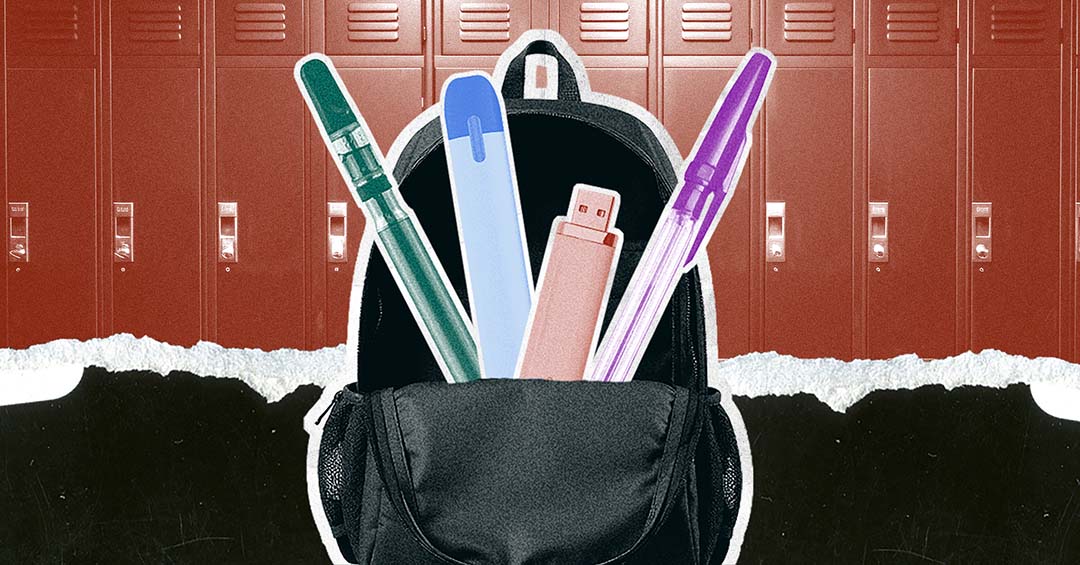
In addition, disposable vapes are designed with discretion in mind. They are often stylized to resemble highlighters or other school supplies, ear-pod cases and even toys. Vape companies recognize that parents will not be okay with their teenagers vaping and have gone out of their way to help students hide their addiction.
To a passerby, a disposable vape may look harmless. They are compact, brightly colored and are often constructed to resemble an ink pen or highlighter. This creates room for younger users to experiment with vaping while staying under the radar from parents and educators.
Other devices to be on the lookout for:
- Pod-based vapes: These small, often USB-shaped devices use disposable or refillable pods. They are easy to confuse with phone chargers, hard drives or adaptors.
- Pens: These are ultra-discreet, sleek and shaped like pens. These can hide easily in pencil bags, backpacks and desks.
- Box mods: These larger, box-shaped devices are the most powerful and customizable vapes on the market.
- Smart Vapes: These combine vapes’ nicotine delivery with features typically found in smartphones and gaming devices often for $20 or less, making them an easy first device for teens to get their hands on.
All these devices have a few things in common: Flavor options that appeal to younger users, bright colors and features that “camouflage” them or make them appear as harmless. All the while, these devices are lulling youth into a false sense of safety, because they are convinced that their vape device is less harmful than a cigarette. The reality is that many younger users do not understand the nicotine content or risks of addiction, especially when products are perceived as less harmful than cigarettes.
Warning Signs a Teen May Have Access to Vapes
The reality is that vaping has taken over schools, playgrounds and students’ social circles. Each of us can do our part when it comes to preventing teen addiction by looking for signs that our teens are vaping and talking about the health risks. Here are a few possible signs that your teen might have access to or be experimenting with vaping products.
If you suspect your teen is vaping, be aware of these physical signs:
- Nosebleeds
- Nausea
- Frequent headaches
- Increased thirst or dehydration
- Coughing and wheezing
- Mouth sores
- Acne or skin changes
- Unexplained scents (fruity, minty or sweet)
Vaping can lead to behavioral changes, such as:
- Changes in sleep patterns
- Decreased interest in hobbies and sports
- Mood swings or irritability
- Difficulty concentrating
- Academic performance decline
- Overspending
- Unusual purchases
Vaping can have detrimental effects on teens’ mental health, such as:
- Increased anxiety and depression
- Mood swings
- Learning difficulties
- Impulsivity
If you suspect your teen is vaping, it is important to look for warning signs and to have direct conversations about the risks. However, these signs don’t necessarily confirm your kid is experimenting with vapes. The key is to look for patterns, and to be aware when multiple signs begin appearing.
What Parents and Communities Can Do To Help Prevent Access
Whether you suspect your kids are vaping or not, a healthy conversation is still important. Chances are, they’re already aware of vaping. In fact, they’ve probably heard lots of misinformation about it from their peers, so it’s important to equip them with facts. Here are some tips for talking with your kids about tobacco:
- Find the right moment. Maybe when you see someone vaping in public or in an ad. Allow it to feel natural and spontaneous, not planned and forced.
- Educate, don’t lecture. Teens may not be aware of how addictive vapes are. Use a tone that’s more informative than accusatory. Point the finger at Big Tobacco — not its victims.
- Use real-life examples, like friends or relatives who have faced nicotine addiction.
- Arm them with strategies to say no to peer pressure — and practice having those conversations together.
It is important to remember that we cannot fix this problem on our own, it’s going to take all of us joining together. Prevention is most effective when parents, schools, retailers and communities work together, and there are practical steps you can take today to help. If you need support and ideas, Talk About Tobacco has helpful resources, including age-appropriate conversation guides, an interactive experience, videos and more for education, awareness and community action against youth tobacco and vape use.
Parents:
- Pay attention to where teens may be exposed: friends, social media, online sellers, local stores, even older siblings.
- Take the time to make your home a safe environment by securing any adult nicotine or tobacco products.
- Be aware of unfamiliar devices that you see in your teens’ possession.
- Know what common vaping devices and accessories may look like.
- Pair educational initiatives about vaping with clear support resources.
- Above all, remember that Big Tobacco is to blame, not its victims.
Communities:
- Hold your local businesses accountable and don’t stand for lax enforcement. Report businesses who sell nicotine and tobacco products to minors.
- Demand stronger policies and promote community prevention efforts.
Understanding How Teens Access Vapes Helps Prevention: The Bottom Line
Big Tobacco is committed to targeting our students with misleading advertising, eye-catching designs and flavors meant to get youth addicted quickly. The greatest weapon is education and action.
It’s essential to pay attention to the warning signs and be fully aware of the many access points that teens have for acquiring and experimenting with vapes. Parents, schools and communities have to rally around kids and let them know that their future is more important than avoiding an awkward conversation.